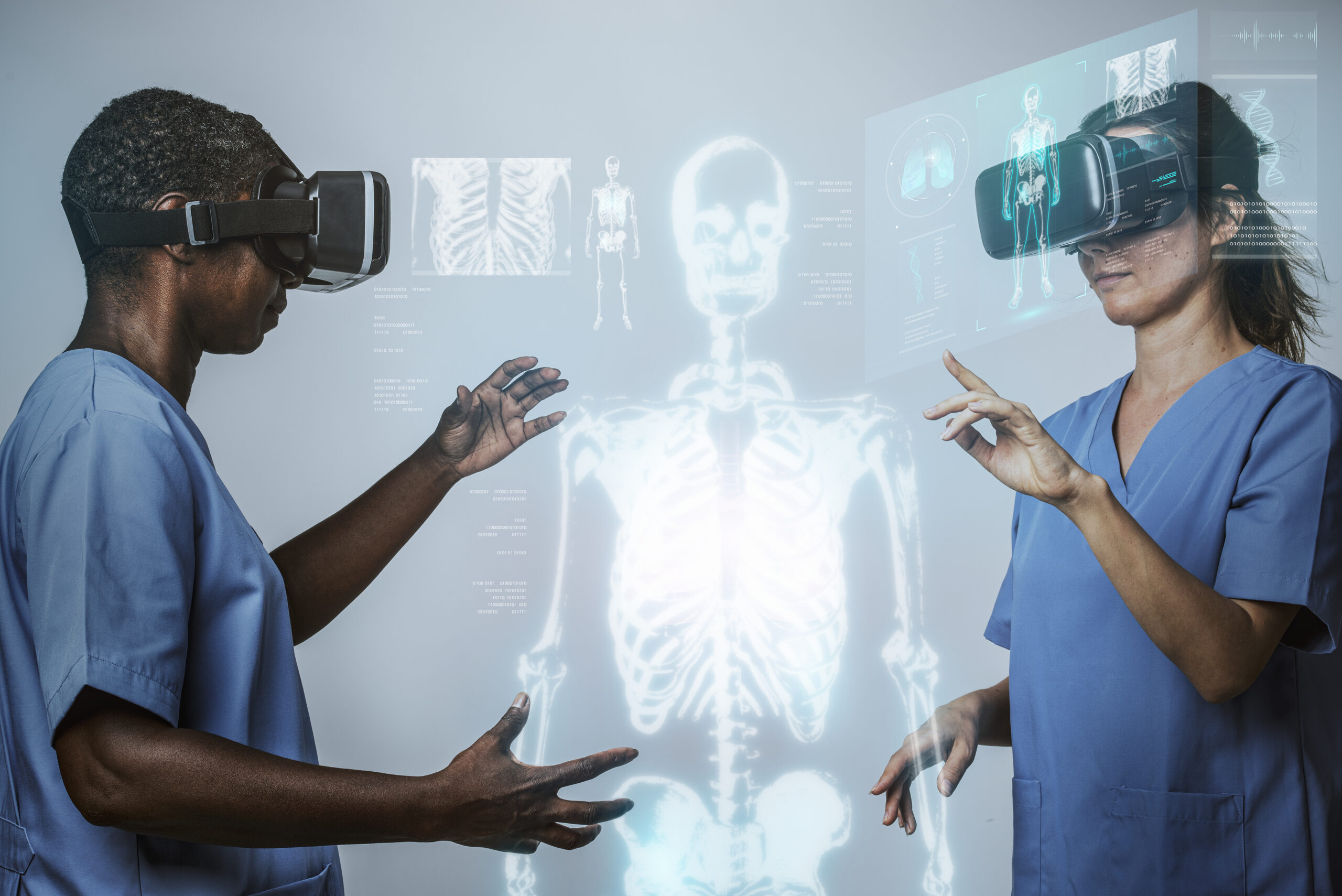
Across the world, public healthcare systems often face more demand than they can handle. Doctors and nurses deal with staff shortages, old equipment, and paperwork that takes time away from caring for patients.
But rather than replacing human expertise, artificial intelligence is stepping in as an essential collaborator. In a landscape where technology is increasingly accessible, clinical leaders are discovering that smart integration is the key to expanding medical access and restoring the bedside human connection, a paradigm shift explored further in How the New AI Power Alliance Changes Everything for Enterprise Tech.
From Bedside Scarcity to Corporate Strategy
For Dr. Carla Goulart Peron, Chief Medical Officer at Philips, improving healthcare with technology is a personal goal. Early in her career, she worked in both Brazil’s underfunded public hospitals and its advanced private hospitals, so she saw firsthand the big differences in care.
One of the biggest challenges in medicine has always been sharing specialized knowledge. Dr. Peron remembers her early days working in remote clinics:
“I remember holding the phone to my ear while trying to scan [with an ultrasound], with someone on the other end trying to guide me through it – neither of us really sure what we were seeing.”
Now, instead of moving fragile patients through heavy traffic to another hospital for scans, cloud-based tools and automated help bring expert care right to the patient’s bedside, even in faraway clinics.
Driving Workflow Efficiencies with “First-Time Right” Imaging
Advanced imaging machines like MRIs and CT scans produce vital diagnostic data, but operating them is incredibly complex. Technicians must manually calculate slice angles, adjust for patient anatomy (such as height, weight, and sex), and guide patients precisely. This manual setup can take up to 15 minutes per scan, limiting patient throughput and risking operator burnout.
Tools like SmartHeart, which is approved by the FDA and uses AI to plan heart scans with one click, are changing how things work:
- Time savings: With automated planning that uses each patient’s details, setting up a heart scan now takes just 30 seconds instead of 15 minutes.
- “First-Time Right” Precision: AI-driven alignment minimizes the common error of missed visual angles, eliminating the need to call uncomfortable patients back to the clinic for repeat scans.
- Expanding Access: By lowering the training barrier for operating highly complex imaging systems, hospitals can handle significantly greater volume while easing the burden on specialized technicians.
The Symbiotic Future of Medical AI
Many people worry that automation in healthcare will replace specialists like radiologists. But in real life, doctors and AI are working together more than ever.
AI excels at processing large volumes of standard data and identifying obvious patterns. If AI can successfully filter out normal, healthy scans, human specialists are freed to dedicate 100% of their focus to complex, abnormal cases. Yet, this evolution introduces fascinating training dilemmas: If junior radiologists only review abnormal scans, how do they develop a baseline understanding of what a “normal” scan looks like?
The language of future healthcare relies heavily on integration rather than replacement. By offloading administrative burdens, automating technical setup, and streamlining diagnostics, AI ensures that clinicians spend less time wrestling with interfaces and more time doing what they do best: connecting with patients.
To hear the full discussion on how automated imaging and remote diagnostics are bridging global healthcare divides, you can listen to this MIT SMR Podcast Episode with Carla Goulart Peron.